Adjusting to New Dentures: What to Expect in the First 30 Days
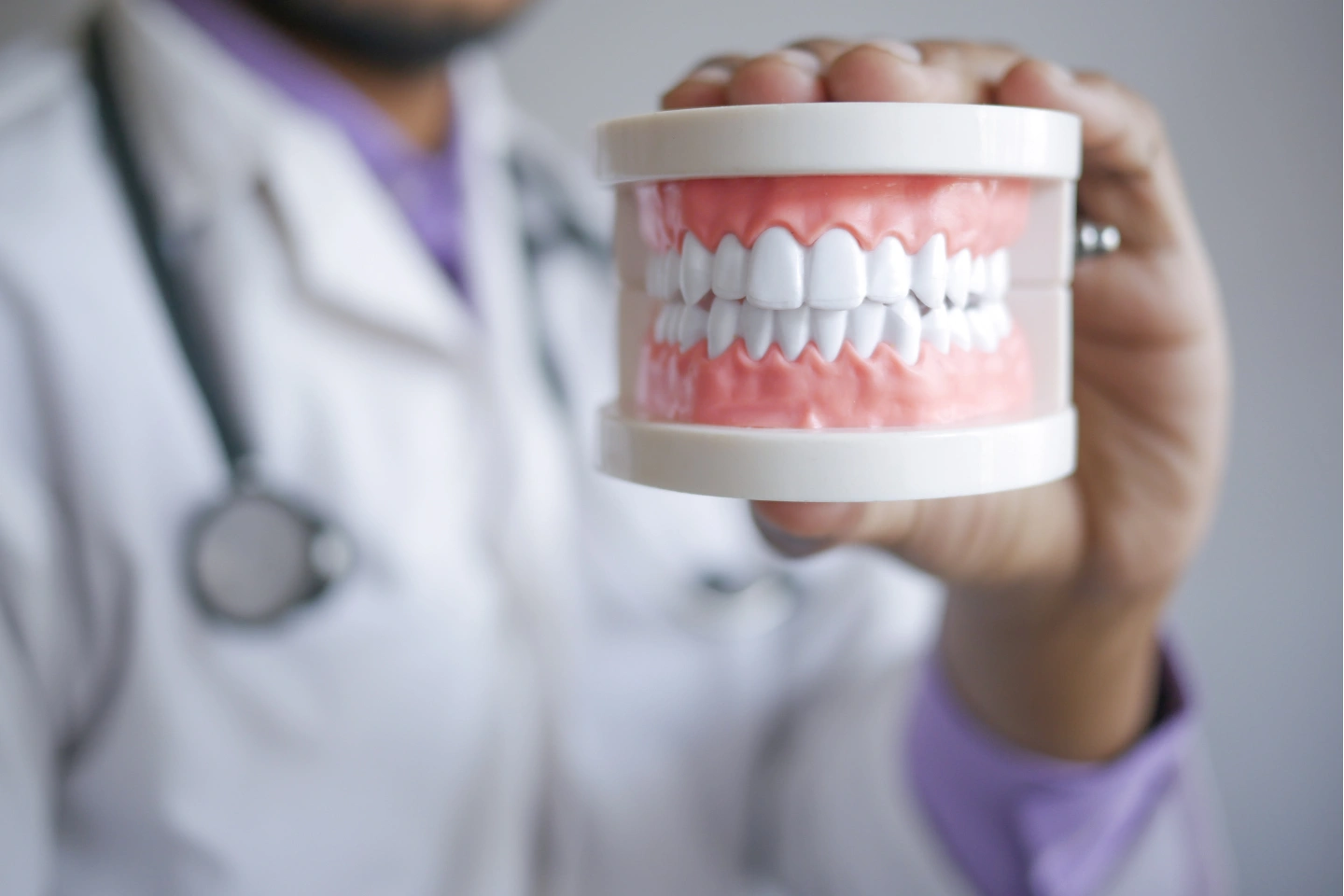
Getting new dentures is an exciting step toward restoring your smile and confidence. However, the first few weeks after receiving them can be a period of adjustment. It’s normal to experience mild discomfort, changes in speech, and challenges while eating, but with the right guidance, patience, and care, you’ll quickly adapt and enjoy the benefits of your new smile.
At Dental Design Studio, we help patients across Shorewood, Illinois, transition smoothly into life with dentures. Whether you’re new to dentures or upgrading to a new set, understanding what to expect during the first 30 days can make all the difference.
Week 1: Getting Used to the Feel of Dentures
When you first wear dentures, they may feel foreign in your mouth. Your gums, cheeks, and tongue need time to adapt to their presence.
1. Mild Discomfort Is Normal
Slight soreness, pressure points, or gum irritation are common during the initial days. These sensations usually fade as your mouth adjusts. Avoid using over-the-counter adhesives excessively; instead, consult your dentist in Shorewood if the discomfort persists.
2. Practice Talking Slowly
Your tongue and lips need to re-learn how to move with dentures in place. Reading aloud, speaking slowly, and practicing difficult words can help you regain clear speech more quickly.
3. Stick to Soft Foods
Start with soft foods like mashed potatoes, yogurt, scrambled eggs, and soup. Chew slowly and evenly on both sides of your mouth to keep dentures stable.
Your dentist at Dental Design Studio in Shorewood may recommend denture-safe cleansers and adjustments to enhance comfort during this phase.
Week 2: Building Confidence and Improving Function
As the second week begins, your dentures will start to feel more natural. However, this is also when you’ll need to focus on establishing healthy habits.
1. Continue Practicing Speech and Eating
Speech should feel easier by now, but you might still notice subtle differences in pronunciation. Stay consistent with your exercises, and don’t get discouraged; improvement happens quickly.
When eating, begin introducing slightly firmer foods such as cooked vegetables, pasta, or fish. Cut food into small bites to prevent your dentures from dislodging.
2. Managing Soreness or Slippage
If your dentures move slightly while you eat or talk, it’s often due to muscle adaptation. Your cheek and tongue muscles will soon learn to stabilize them naturally.
Avoid biting directly into hard foods like apples or corn; instead, cut them into manageable pieces.
If soreness or slippage persists, your Shorewood dentist can perform small adjustments to improve the fit and comfort.
3. Maintaining Oral Hygiene
Even if you no longer have natural teeth, maintaining oral hygiene is essential. Clean your dentures daily using a soft brush and non-abrasive cleanser. Rinse your mouth after meals and gently massage your gums to promote circulation.
Week 3: Fine-Tuning Fit and Comfort
By the third week, most patients notice significant improvements in comfort and confidence. Still, this is a critical time to monitor your gums and ensure your dentures fit correctly.
1. Schedule a Follow-Up Appointment
At Dental Design Studio, we recommend a check-up within the first month of wearing new dentures. This allows your dentist to check for pressure spots, make necessary adjustments, and ensure your bite feels balanced.
2. Adapting to Temperature and Texture
As your mouth adjusts, you’ll begin to notice subtle sensations again like the temperature of hot or cold foods. This is a good sign that your oral tissues are healing and adapting.
If you experience minor irritation, avoid overly spicy or sticky foods, as they can worsen discomfort.
3. Managing Saliva Flow
Many patients notice increased saliva production during the first few weeks. This is your body’s natural response to the presence of dentures. As your mouth adjusts, saliva production will return to normal levels.
Week 4: Feeling Like Yourself Again
By the end of the first month, your dentures should feel like a natural part of your mouth. You’ll be able to eat more comfortably, speak confidently, and smile freely again.
1. Expanding Your Diet
Now that your comfort level has improved, you can begin enjoying a wider range of foods. Focus on balanced meals that support gum health fruits, vegetables, lean proteins, and whole grains.
Chew food evenly and continue to avoid extremely hard or sticky items to protect your dentures from damage.
2. Strengthening Oral Muscles
Your facial and jaw muscles will continue to adapt to the presence of the dentures. Gentle facial exercises, such as smiling and chewing sugar-free gum (if approved by your dentist), can help improve control and stability.
3. Maintaining a Consistent Cleaning Routine
At this stage, cleaning should be part of your daily habit:
- Brush dentures twice a day with a soft denture brush.
- Soak them overnight in a denture-cleaning solution.
- Rinse thoroughly before placing them back in your mouth.
Good hygiene not only keeps your dentures fresh but also prevents oral infections, gum irritation, and bad breath.
Common Challenges During the Adjustment Period
While most patients adjust to dentures within the first 30 days, some may experience specific challenges. Understanding these can help you stay patient and proactive.
1. Difficulty Eating Certain Foods
Tough meats, crunchy vegetables, or sticky snacks can still be challenging at first. Try cutting foods into smaller bites and chewing slowly. Denture adhesives can also help improve stability during meals.
2. Gum Sensitivity
Your gums may need time to toughen up. Rinsing with warm salt water (as recommended by your dentist) can soothe sore spots and reduce inflammation.
3. Feeling Self-Conscious
It’s natural to feel aware of your dentures at first, especially in social settings. However, as your confidence grows and your speech improves, you’ll feel more at ease.
At Dental Design Studio, we remind patients that everyone’s adjustment period is unique. What matters most is consistent care, patience, and communication with your dental team.
Long-Term Tips for Denture Success
Once you’ve adjusted to your dentures, follow these long-term care tips to keep them in great condition:
- Visit your dentist regularly. Schedule check-ups every six months to ensure proper fit and oral health.
- Handle dentures with care. Hold them over a soft surface or towel while cleaning to prevent damage if dropped.
- Avoid hot water. It can warp the shape of your dentures.
- Watch for fit changes. Over time, natural bone and gum changes may affect how dentures fit. Relining or replacing them every few years ensures comfort and function.
Your dentist in Shorewood will help you determine when it’s time for an adjustment or replacement.
Why Choose Dental Design Studio for Dentures in Shorewood
At Dental Design Studio, we take pride in creating custom dentures that feel comfortable, look natural, and restore confidence. Our team uses advanced digital technology to design dentures that fit precisely and function seamlessly.
Whether you need partial, full, or implant-supported dentures, we personalize your treatment to match your lifestyle and aesthetic goals. Our compassionate approach ensures that every patient in Shorewood, Illinois, feels supported throughout their journey to a new smile.
Conclusion: A Confident Smile Starts with Patience
Adjusting to dentures is a journey, not an overnight change. During the first 30 days, you’ll make progress each week from getting used to the feel to eating and speaking with confidence again. With the right guidance from your Shorewood dentist, you’ll find that your new dentures not only restore your smile but also enhance your quality of life.
Ready to start your journey toward a confident, comfortable smile?
Contact Dental Design Studio in Shorewood, Illinois, today to schedule your consultation. Our experienced team specializes in custom dentures in Shorewood designed for comfort, beauty, and long-lasting performance.
Let us help you rediscover the joy of smiling, eating, and speaking with ease.
Proud Partners in Trusted Dental Care
We’re honored to be affiliated with leading dental organizations and associations, reflecting our commitment to excellence, continuing education, and the highest standards of patient care.




Dr. Das and the Dental Design Studio team provides expert, compassionate care for patients of all ages. We are committed to meeting your unique dental needs in a comfortable, welcoming environment.


© 2025 Dental Design Studio | All Rights Reserved | Privacy Policy | Digital Marketing by Remedo