Dental Crown vs. Filling: How to Know Which One You Need
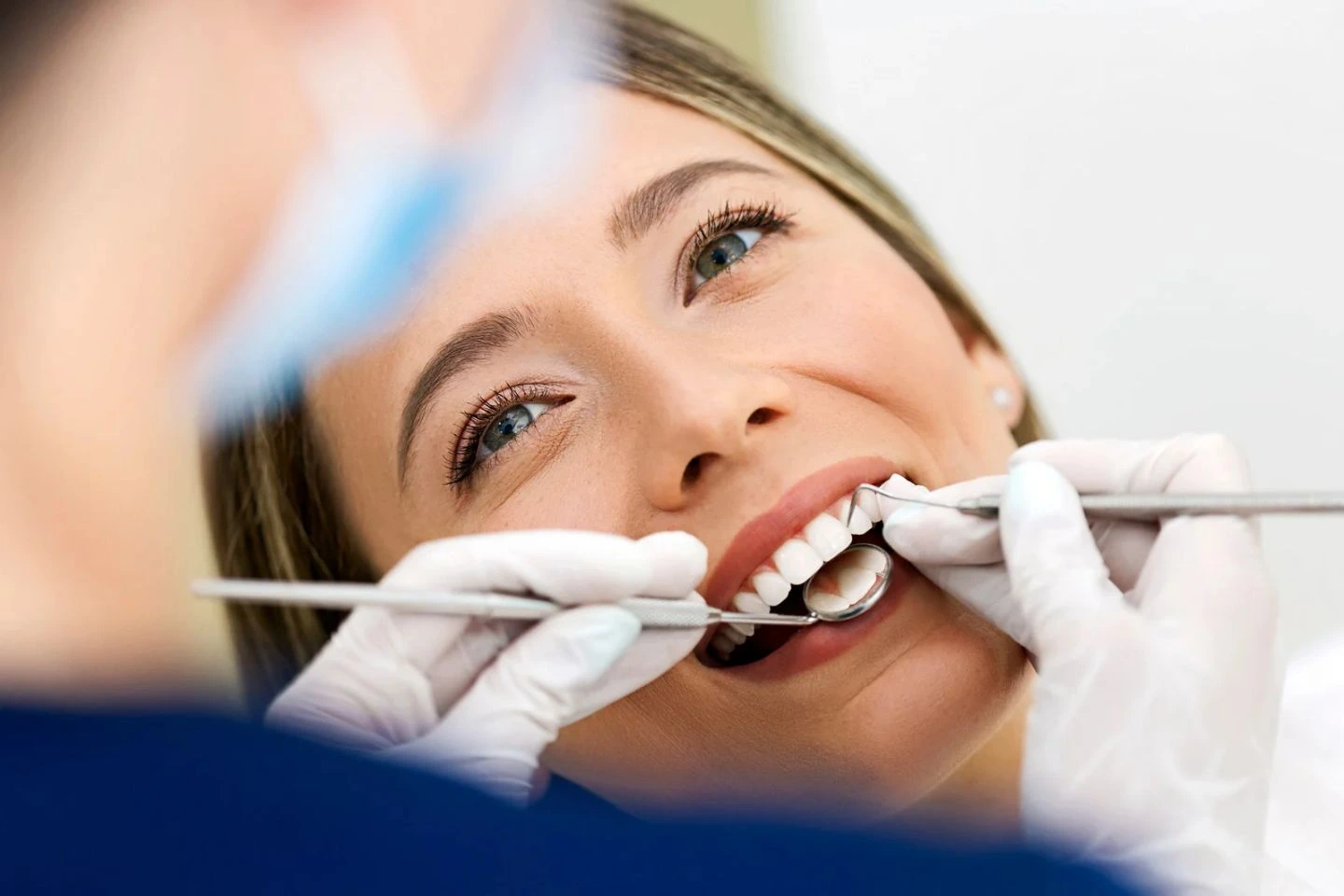
A toothache, a rough edge, or a spot your dentist wants to "keep an eye on" can leave you wondering what comes next. Two of the most common ways to repair a damaged tooth are a dental filling and a dental crown. They both restore a tooth, but they are meant for different situations.
Here is how they differ, and how your dentist decides which one your tooth needs.
What Is a Dental Filling?
A filling repairs a tooth that has a small to moderate area of damage, most often from a cavity. Your dentist removes the decayed part of the tooth, cleans the area, and fills the space with a material that restores the tooth's shape and function.
Fillings work best when most of the natural tooth is still healthy and strong. Because they preserve more of your own tooth structure, they are usually the first choice for early decay.
What Is a Dental Crown?
A crown is a custom-made cap that covers the entire visible portion of a tooth above the gumline. It protects and strengthens a tooth that has lost too much structure to be repaired with a filling alone.
Think of a filling as patching a spot, while a crown wraps the whole tooth in a protective layer. It restores the tooth's shape, size, and strength so you can chew comfortably again.
Crown vs. Filling: Key Differences
- How much of the tooth is damaged: Fillings suit smaller areas of damage. Crowns suit larger areas or teeth that are weakened overall.
- How much protection the tooth needs: A filling repairs one area. A crown protects the whole tooth from further breaking.
- How much natural tooth is kept: A filling removes only the damaged part. A crown requires reshaping the tooth so the cap fits over it.
- The role in your overall treatment: Fillings treat early or moderate decay. Crowns often follow larger repairs or other treatment on the tooth.
When Is a Filling Enough?
A filling is often the right choice when:
- You have a cavity that has not spread across much of the tooth.
- The tooth is still structurally strong.
- The damage is limited to one area of the surface.
- A small chip or worn spot needs repair.
Catching decay early is the best way to keep treatment simple. Regular dental checkups help your dentist spot small cavities before they grow, and digital X-rays can reveal decay between teeth that you cannot see in the mirror.
When Might You Need a Crown?
Your dentist may recommend a crown when:
- A cavity is large and a filling would leave the tooth too weak.
- A tooth is cracked or badly worn.
- An old, large filling is breaking down and there is little natural tooth left to support it.
- A tooth has had other treatment, such as a root canal, and needs added protection.
- A tooth is broken or has a severe chipped tooth that a filling cannot restore.
- A tooth is heavily affected by grinding. Wearing a night guard can help protect your teeth and your restorations.
Signs Your Tooth May Need Attention
You cannot always tell on your own whether you need a filling or a crown, and some problems cause no symptoms at all. Book a visit if you notice:
- Pain when you bite or chew.
- Lingering tooth sensitivity to hot, cold, or sweet foods.
- A visible hole, dark spot, or rough edge on a tooth.
- A cracked, chipped, or broken tooth.
- A filling that feels loose, has cracked, or has fallen out.
- Discomfort in a tooth that has been treated before.
Do not wait for the pain to get worse. A tooth that is treated sooner often needs a simpler repair.
How Your Dentist Decides
The right choice depends on your individual tooth. During your exam, your dentist will:
- Look closely at the tooth and the area around it.
- Take X-rays to see how far the damage extends.
- Check how much healthy tooth structure remains.
- Consider how the tooth is used when you chew and bite.
- Talk with you about your options so you understand what is recommended and why.
Sometimes a dentist plans to place a filling and finds more damage once the decay is removed. In that case a crown may be the better way to protect the tooth, and your dentist will explain the change.
Caring for Your Restored Tooth
Whether you receive a filling or a crown, good habits help it last:
- Brush twice a day and floss daily, including around the restored tooth.
- Avoid chewing hard objects like ice or pen caps.
- Keep up with routine exams and professional cleanings.
- Contact us if a restoration feels uneven, loose, or painful.
Restorative Dentistry at Dental Design Studio
At Dental Design Studio in Shorewood, IL, our team provides restorative dentistry for patients of all ages. We take the time to explain your options so you feel comfortable with the plan for your tooth.
If you think you may have a cavity, a cracked tooth, or a failing filling, schedule an exam with our team and we will help you find the right solution.
Frequently Asked Questions
What is the main difference between a crown and a filling?
A filling repairs a small or moderate area of damage on a tooth. A crown covers the entire tooth to protect and strengthen it when more structure has been lost.
Can a cavity be treated with a crown instead of a filling?
Yes, when the cavity is large or the tooth is too weak for a filling to hold. Your dentist decides based on how much healthy tooth remains.
Does getting a filling or crown hurt?
Your dentist numbs the area before treatment, so you should feel pressure but not pain. Some mild sensitivity afterward is common and usually settles.
How do I know if I need a crown?
Common signs include a large cavity, a cracked or worn tooth, or a heavily filled tooth. Only an exam and X-rays can confirm what your tooth needs.
Can a filling turn into a crown later?
Sometimes. If a tooth with a filling keeps breaking down or develops new decay, a crown may be recommended to protect it.
What happens if I leave a damaged tooth untreated?
Decay and cracks can spread deeper into the tooth, which may lead to pain, infection, or the need for more extensive treatment. Early care usually keeps things simpler.
Can I eat normally after a filling or crown?
Most patients return to normal eating soon after treatment. Your dentist will tell you how long to wait and what to avoid while the area settles.
Proud Partners in Trusted Dental Care
We’re honored to be affiliated with leading dental organizations and associations, reflecting our commitment to excellence, continuing education, and the highest standards of patient care.



Dr. Das and the Dental Design Studio team provides expert, compassionate care for patients of all ages. We are committed to meeting your unique dental needs in a comfortable, welcoming environment.


© 2025 Dental Design Studio | All Rights Reserved | Privacy Policy | Digital Marketing by Remedo