Do Mouthguards Work for Sleep Apnea?
Sleep apnea is a common but serious sleep disorder that affects millions of adults. It can lead to loud snoring, poor sleep quality, daytime fatigue, and increased risk of heart disease, high blood pressure, and other health concerns. While CPAP machines are often considered the standard treatment, many patients ask an important question: Do mouthguards work for sleep apnea?
At Dental Design Studio, we frequently help patients explore dental solutions for sleep-related breathing disorders. This blog explains how mouthguards, more accurately called oral appliances, work for sleep apnea, who they are best suited for, and what you should know before considering this treatment option.
Understanding Sleep Apnea
Sleep apnea occurs when breathing repeatedly stops and starts during sleep. These interruptions reduce oxygen levels and prevent the body from reaching deep, restorative sleep.
Types of Sleep Apnea
There are three main types:
- Obstructive Sleep Apnea (OSA): Caused by airway blockage during sleep
- Central Sleep Apnea: Caused by the brain not sending proper signals to breathe
- Complex Sleep Apnea: A combination of both
Oral appliances are primarily used to treat obstructive sleep apnea, which is the most common form.
What Are Mouthguards for Sleep Apnea?
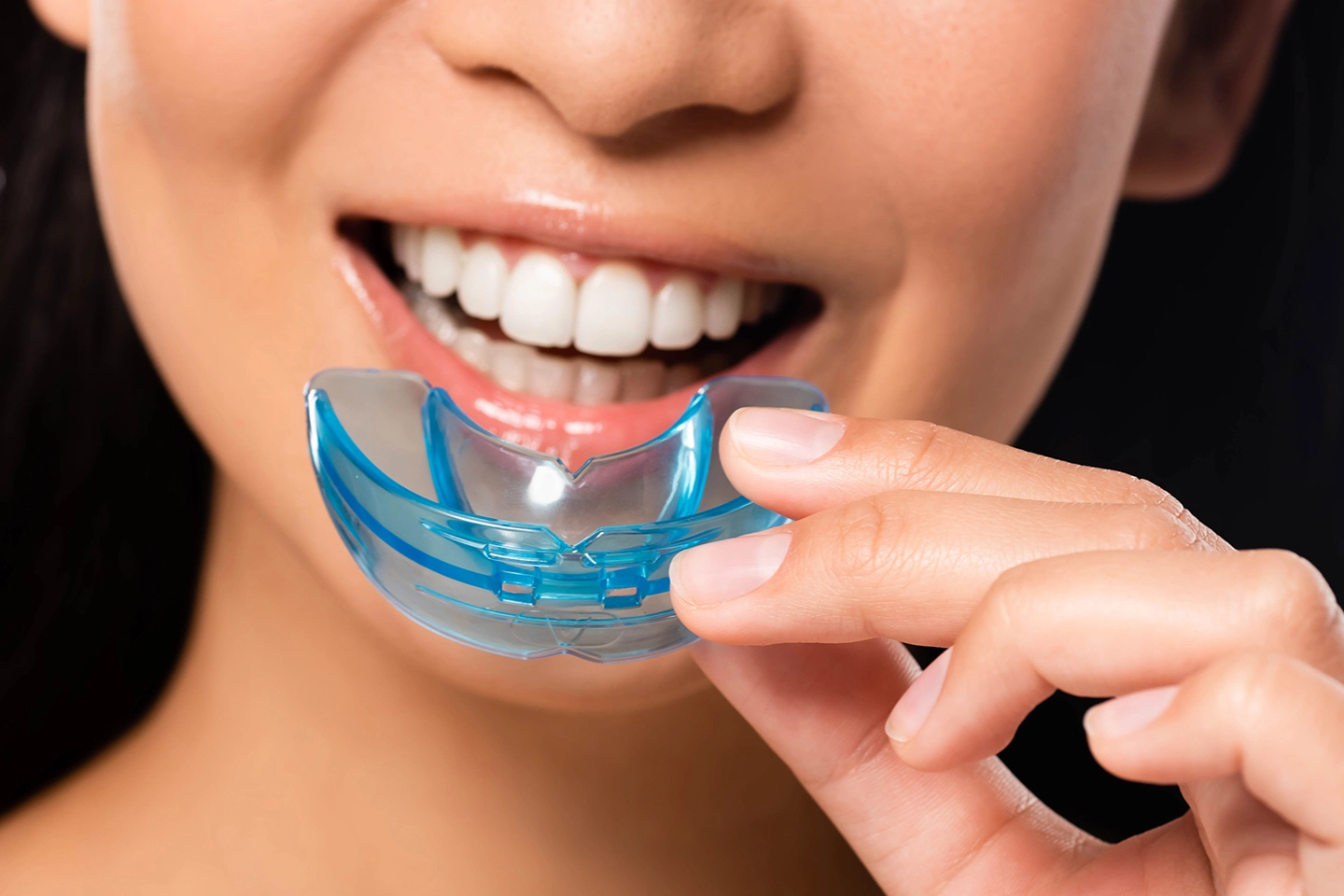
When people refer to mouthguards for sleep apnea, they are usually talking about custom oral appliances prescribed by a dentist. These are not the same as over-the-counter sports mouthguards or generic snoring devices.
Dental Oral Appliances Explained
Sleep apnea oral appliances are:
- Custom-made to fit your mouth
- Worn during sleep
- Designed to reposition the jaw or tongue
- Intended to keep the airway open
They are small, portable, and quiet, making them appealing to patients who struggle with CPAP therapy.
How Oral Appliances Work for Sleep Apnea
Oral appliances work by adjusting the position of the jaw, tongue, or both to reduce airway obstruction during sleep.
Mechanism of Action
These devices:
- Move the lower jaw slightly forward
- Prevent the tongue from collapsing backward
- Increase space in the airway
- Reduce airway collapse during sleep
By keeping the airway open, oral appliances help reduce breathing interruptions, snoring, and oxygen drops associated with sleep apnea.
Are Mouthguards Effective for Sleep Apnea?
Yes, mouthguards can be effective for certain patients, but they are not a universal solution.
When Oral Appliances Work Best
Mouthguards are most effective for:
- Mild to moderate obstructive sleep apnea
- Patients who cannot tolerate CPAP
- Individuals who snore and have airway obstruction
- Patients with jaw positioning that contributes to airway collapse
Clinical studies have shown that oral appliances can significantly reduce apnea events and improve sleep quality in appropriately selected patients.
Mouthguards vs CPAP: How Do They Compare?
CPAP therapy uses continuous air pressure to keep the airway open. While effective, many patients struggle with long-term use.
Advantages of Oral Appliances
Compared to CPAP, oral appliances are:
- Smaller and more comfortable
- Easier to travel with
- Quiet and non-invasive
- Often better tolerated long term
Limitations Compared to CPAP
However:
- CPAP is more effective for severe sleep apnea
- Oral appliances may not fully eliminate apnea events in advanced cases
The best treatment depends on the severity of your condition and your ability to use the device consistently.
Who Is a Good Candidate for a Sleep Apnea Mouthguard?
Not everyone with sleep apnea is an ideal candidate for oral appliance therapy.
You May Be a Good Candidate If You:
- Have been diagnosed with mild or moderate obstructive sleep apnea
- Cannot tolerate CPAP therapy
- Experience loud snoring with breathing pauses
- Have healthy teeth and gums to support the appliance
A proper diagnosis and professional evaluation are essential before starting treatment.
The Importance of a Sleep Study
Before any sleep apnea treatment begins, a sleep study is required to confirm the diagnosis and severity.
Why a Sleep Study Matters
A sleep study helps:
- Diagnose the type of sleep apnea
- Measure severity
- Guide treatment recommendations
- Track improvement after treatment
Oral appliances should only be used under medical and dental supervision, not as a self-diagnosed solution.
Custom Oral Appliances vs Over-the-Counter Devices
Many over-the-counter mouthguards claim to reduce snoring or treat sleep apnea, but they are not the same as professionally made appliances.
Why Custom Matters
Custom dental sleep appliances:
- Are designed specifically for your bite
- Are adjustable for comfort and effectiveness
- Reduce risk of jaw pain or tooth movement
- Are monitored by a dental professional
Generic devices may be uncomfortable, ineffective, or even harmful if used improperly.
Potential Side Effects of Sleep Apnea Mouthguards
Oral appliances are generally safe, but some patients may experience mild side effects, especially during the adjustment period.
Possible Side Effects Include
- Jaw soreness or stiffness
- Excessive salivation or dry mouth
- Temporary bite changes upon waking
- Tooth or gum discomfort
Regular follow-up visits allow adjustments to minimize side effects and ensure long-term comfort.
How Long Does It Take to See Results?
Many patients notice improvement within days or weeks of using an oral appliance.
Expected Improvements
You may experience:
- Reduced snoring
- Better sleep quality
- Less daytime fatigue
- Improved focus and energy
Follow-up sleep studies may be recommended to confirm treatment effectiveness.
Oral Appliance Therapy as Part of a Comprehensive Approach
Sleep apnea treatment often works best when combined with lifestyle changes.
Supporting Strategies
Your provider may also recommend:
- Weight management
- Sleeping on your side
- Avoiding alcohol before bedtime
- Managing nasal congestion
Oral appliances are often one component of a broader sleep health plan.
Why Dental Oversight Is Essential
Dentists trained in dental sleep medicine play a key role in oral appliance therapy. Improper fit or lack of follow-up can lead to discomfort or reduced effectiveness.
At Dental Design Studio, patients receive:
- Custom appliance design
- Careful bite evaluation
- Ongoing monitoring and adjustments
- Collaboration with medical providers when needed
This ensures both safety and success.
When Mouthguards Are Not Enough
Oral appliances may not be appropriate for:
- Severe obstructive sleep apnea
- Central sleep apnea
- Patients with insufficient dental support
In these cases, CPAP or other medical treatments may be necessary.
How Dental Design Studio Supports Sleep Apnea Care
At Dental Design Studio, we take a patient-centered approach to dental sleep solutions. We focus on comfort, customization, and long-term results.
Our process includes:
- Thorough dental and airway evaluation
- Collaboration with sleep physicians
- Custom oral appliance fabrication
- Ongoing care and follow-up
Our goal is to help patients breathe better, sleep better, and improve their overall quality of life.
Final Thoughts
So, do mouthguards work for sleep apnea? Yes, for the right patients. Oral appliances can be an effective, comfortable treatment for mild to moderate obstructive sleep apnea and for those who cannot tolerate CPAP therapy.
However, success depends on proper diagnosis, professional fitting, and regular monitoring. Over-the-counter devices are not a substitute for customized dental care.
If you suspect sleep apnea or struggle with snoring and poor sleep, a consultation at Dental Design Studio can help determine whether a dental oral appliance is the right solution for you. Better sleep starts with the right guidance and the right treatment.
Proud Partners in Trusted Dental Care
We’re honored to be affiliated with leading dental organizations and associations, reflecting our commitment to excellence, continuing education, and the highest standards of patient care.
Dr. Das and the Dental Design Studio team provides expert, compassionate care for patients of all ages. We are committed to meeting your unique dental needs in a comfortable, welcoming environment.


© 2025 Dental Design Studio | All Rights Reserved | Privacy Policy | Digital Marketing by Remedo