What Is the Best Dental Hygiene Routine?
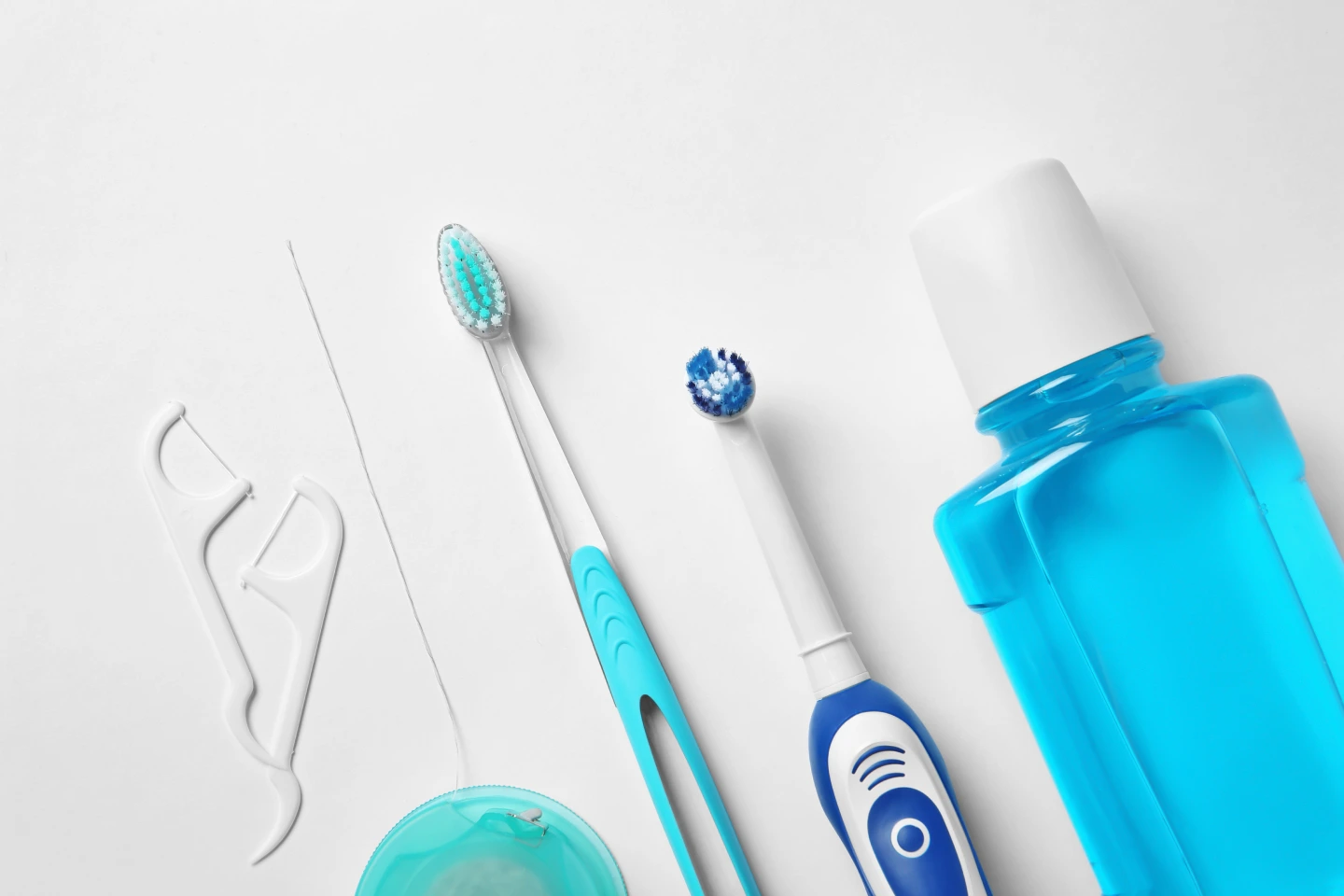
We talk a lot about healthy habits in our daily lives. We focus on tracking our steps, cooking balanced meals, and drinking enough water. But when it comes to long term wellness, your daily mouth care routine deserves a top spot on that priority list. Taking care of your teeth and gums is about so much more than just aiming for a bright smile. Your mouth is the primary entrance to your body, meaning your oral health is directly connected to your overall physical well-being.
Every single day, your teeth face constant wear and tear. Microscopic food particles combine with the natural bacteria in your mouth to form a sticky, invisible film called plaque. If you do not clear this film away regularly, it can slowly harden into a rock-like deposit that damages your enamel and inflames your gums. The good news is that keeping your smile in excellent shape does not require a complicated, hours-long process. It just takes a smart, consistent dental hygiene routine.
At Dental Design Studio, we see firsthand how a few intentional shifts in your morning and evening habits can completely transform your health. If you are trying to build the best possible routine, looking at the actual mechanics of your home care is a fantastic place to start.
Mastering the Mechanics of Brushing
Most of us have been brushing our teeth since we were toddlers. Because it is an automated habit, it is incredibly easy to coast through the process without thinking about your technique. You might stand at the mirror, scrub back and forth for thirty seconds, and assume the job is done. However, your technique matters just as much as how often you pick up the brush.
The standard rule you have probably heard before is to brush twice a day for at least two full minutes each time. This timeline is not arbitrary. It takes about that long to safely navigate every surface of your mouth and disrupt the bacterial colonies that have settled on your enamel.
When you brush, try holding your toothbrush at a forty-five degree angle toward your gum line. Instead of scrubbing flat against the teeth in wide, harsh motions, use short, gentle circular strokes. This angle allows the bristles to slip slightly beneath the margins of your gums, cleaning out the tiny spaces where plaque loves to hide. Remember to apply very light pressure. Scrubbing too hard can slowly wear down your protective enamel and cause your gums to recede over time. Make sure you clean the outer sides, the inner surfaces, and the flat chewing areas of your molars before rinsing.
Why Flossing Is a Non-Negotiable Step
If you only brush your teeth, you are essentially leaving a massive portion of your mouth dirty. A toothbrush is great for wide, open surfaces, but its bristles simply cannot curve around the tight sides where your teeth press against each other. This is why flossing or utilizing an interdental cleaner is an absolute must for a healthy mouth. Skipping this step leaves nearly a third of your tooth surfaces vulnerable to decay and localized gum irritation.
Many people avoid flossing because they find it awkward or notice their gums bleed a little bit when they try. In many cases, that minor bleeding is actually a sign that plaque has been sitting between the teeth for too long, causing the tissue to become tender and inflamed. As you build a consistent daily habit, that inflammation typically clears up, and the tissue becomes much more resilient.
Step-by-Step Guide for Proper Flossing Technique.
When you look at a proper flossing technique, the goal is to be deliberate rather than hurried. Avoid snapping the string straight down into your gums, which can cut the delicate tissue. Instead, gently guide the floss between your teeth using a careful back-and-forth motion. Once the string is between the teeth, curve it into a distinct C-shape against the side of one tooth. Slide it carefully up and down against the enamel surface, making sure to go slightly below the gum line to sweep away hidden debris before moving to the next spot.
The Connection Between Professional Care and Your Routine
While your daily efforts at home form the frontline defense for your smile, your mouth still needs professional oversight to stay truly healthy over the decades. No matter how perfect your home brushing and flossing technique might be, minor traces of plaque will occasionally get left behind in hard-to-reach pockets. Over a period of weeks, this soft film absorbs minerals from your saliva and transforms into a hard, crusty substance called tartar. Tartar binds tightly to your enamel and can only be safely removed by a trained professional using clinical tools.
This is where professional dental hygiene plays such a massive role. The clinical providers who clean your teeth are highly specialized professionals. To earn the right to care for your smile, these individuals must meet extensive dental hygiene education requirements. These comprehensive dental hygiene education requirements involve multiple years of intensive scientific study, hands-on clinical training, and rigorous state board examinations.
Because of this deep dental hygiene education, your provider does far more than just polish away surface stains during your visit. They are trained to assess the structural integrity of your jawbone, measure the depth of your gum pockets, and spot microscopic signs of decay before they become painful problems.
Furthermore, this background allows them to deliver meaningful oral hygiene education tailored directly to your specific mouth. When you sit down for an appointment, you receive personalized oral hygiene education that helps you address your unique challenges. Whether you deal with tight spacing, deep molar grooves, or early signs of tissue sensitivity, this specialized dental hygiene guidance ensures you leave the practice with the exact knowledge and practical strategies needed to maximize your health at home.
Smart Choices for Everyday Protection
A great routine extends beyond what you do at the sink in the morning and at night. Your daily lifestyle choices also have a major impact on how well your mouth can defend itself against bacterial decay.
First, try to keep a fresh water bottle nearby throughout the day. Saliva is your body's natural defense system for your teeth. It actively washes away loose food particles, neutralizes harmful acids, and deposits essential minerals back into your enamel. Staying well-hydrated keeps your saliva flowing naturally.
Second, be mindful of how often you snack on sugary or highly acidic foods. Every time you eat carbohydrates or drink a sweet beverage, the bacteria in your mouth produce acid as a byproduct. This acid attacks your enamel for about twenty to thirty minutes after you finish eating. If you graze constantly throughout the afternoon, your teeth are subjected to a continuous loop of acid exposure. Grouping snacks with your main meals gives your enamel a much-needed break to recover and rebuild.
Finally, remember to change your toothbrush or electric brush head regularly. A worn-out brush with frayed or splayed bristles cannot clean your teeth effectively and can scrape your gums. A good rule of thumb is to replace your brush every three months, or right after you recover from being sick, to avoid reintroducing bacteria to your mouth.
Partner with Dental Design Studio in Shorewood
Your oral health is a lifelong journey, and you do not have to walk that path alone. Building a reliable routine is much easier when you have a compassionate, experienced team helping you every step of the way. If you are looking for dependable care and expert dental hygiene in Shorewood, we are here to support your health goals.
At Dental Design Studio, we focus on providing a warm, comfortable environment where you can access clear information, thorough cleanings, and personalized guidance without any judgment. We treat you like a partner in your own healthcare, moving at a pace that feels entirely safe and secure for you. Contact our Shorewood office today to set up your consultation, and let us work together to keep your smile functional, healthy, and strong for years to come.
Frequently Asked Questions
Q: Is an electric toothbrush really better than a manual one?
A: Electric toothbrushes can be incredibly helpful because they provide thousands of micro-movements per minute, which often disrupts plaque more efficiently than manual brushing. They are also fantastic for individuals with limited hand mobility or arthritis. However, you can still maintain excellent oral health with a standard manual toothbrush if you use a careful, thorough technique and brush for the full two minutes.
Q: Why do my gums bleed when I start a new flossing routine?
A: If you have not flossed in a while, bacteria can accumulate between your teeth, causing the surrounding gum tissue to become irritated, swollen, and prone to bleeding. When you start flossing daily, it is common to notice a small amount of bleeding at first. As the trapped plaque is cleared away and the area cleans up, the area typically heals within a week or two, and your gums will become much healthier.
Q: How often should I schedule a professional dental cleaning?
A: For many individuals, scheduling a professional checkup and cleaning every six months is an excellent baseline to keep plaque and tartar under control. However, your specific timeline depends entirely on your personal oral health status. If you have a history of rapid tartar buildup or early gum issues, your clinical team might recommend more frequent visits to protect your smile effectively.
Proud Partners in Trusted Dental Care
We’re honored to be affiliated with leading dental organizations and associations, reflecting our commitment to excellence, continuing education, and the highest standards of patient care.

Dr. Das and the Dental Design Studio team provides expert, compassionate care for patients of all ages. We are committed to meeting your unique dental needs in a comfortable, welcoming environment.


© 2025 Dental Design Studio | All Rights Reserved | Privacy Policy | Digital Marketing by Remedo